
(That title sounds like a Deathcab for Cutie album. It is not.)
It has gotten to the point where I know certain podcast host voices by heart. They have me by the ear bones. (I am fascinated by the teeny, tiny bones in our ears. There’s the malleus, the incus, and the stapes. I remember seeing an illustration of the bones in middle school and being fascinated by their gnome-ish ways. There is no resolution to this aside. It’s just to get you to search up “ear bones” and marvel at the magic of the human body.)
… just in case you don’t search it up:
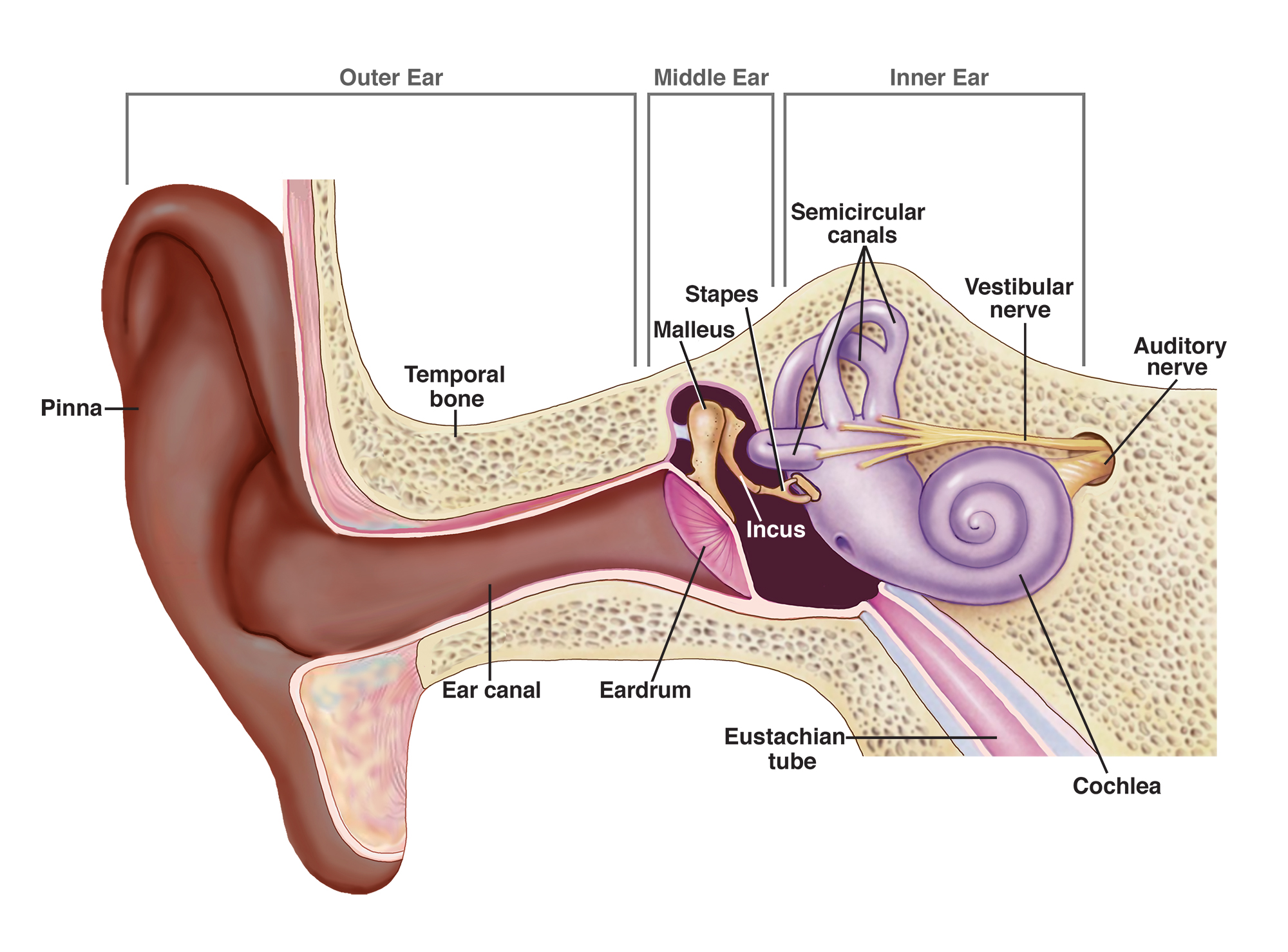
I MEAN LOOK AT THEM. It’s as if mermaid elves built that part of us. Don’t even get me started on endoplasmic reticulum, those gorgeous ribbons of protein synthesis. They’re like the transportation linguine of the cells … look!
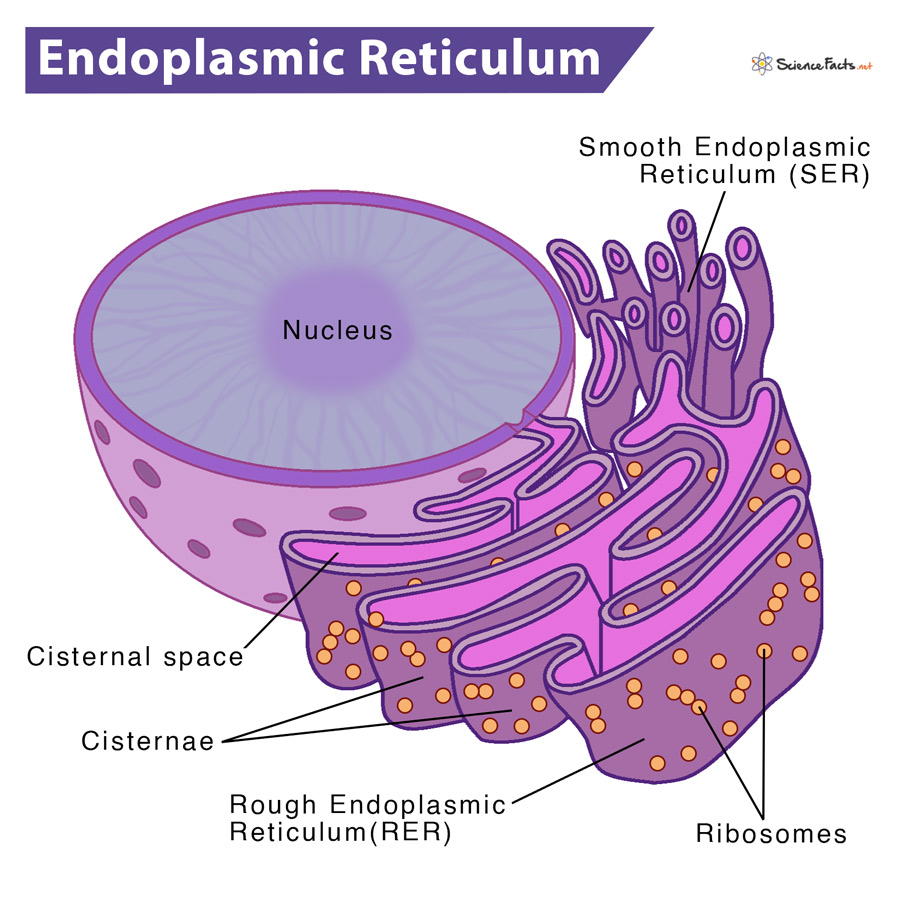
OK. No more body bits.
Back to podcasts.
I listen to a few diabetes ones on the regular (hat tip to Stacey Simms at Diabetes Connections forever) but my feed these days is dominated by writing podcasts, specifically The Shit No One Tells You About Writing, Am Writing, and Fiction Writing Made Easy. The hosts of these shows chat on while I fold laundry and load the dishwasher and occasionally while I clean out the litter boxes but I feel bad letting them know they’re part of the moments where I sift cat poops through a slotted shovel so maybe I’ll leave that part out (unlikely), but the point is I’m listening and taking information through my malleus, incus, and stapes and trying to apply it to the book(s) I’m writing.
Over the last few months, a few episodes from these podcasts stood out to me because they mentioned, more than once, the idea of writing while managing a chronic illness. Sometimes it’s an aside, other times writing through illness is the focus, but every time, it rings a bell in my brain. A “hey, you’re part of this group, too” little ring-a-ding-ding.
And as a writer with (now a few) chronic illnesses, I appreciate these episodes because they provided empathy and validation I didn’t realize I would benefit from hearing, code for “I felt better when they said that stuff.”
When there’s representation of people with chronic illness in the books I read, specifically diabetes, I get this rush of joy. The Truth About Stacey, by Ann M. Martin, blew my mind when she included a character with diabetes into the Babysitter’s Club. (Must shout out to Clare Edge for their work in bringing diabetes to the page. Check out Accidental Demons, about a witch with diabetes who conjures a demon with every finger stick.)
Seeing echoes of your experiences in someone’s creative work is deeply humanizing. The book I’m currently writing includes a character with chronic illness (not diabetes) and I like when she peers back at me from the page. (Hi, Tessa!)
It’s not just representation in characters that I love. It’s representation by the authors themselves. Writers with chronic illness hold a special place in my heart because they are up against deadlines and their own immune systems. In my body, as a diabetic and now an aging crone (sandwich), trying to wordsmith with this brain and body isn’t as basic as making sure my blood sugars are in-range enough for me to concentrate, although that’s part of it.
There’s a lot to take into account when doing anything with diabetes and recognizing that doesn’t mean I’ve given up. It means I’m pragmatically realistic. Realistically pragmatic? I’m adverb-adjective.
I know I’m encouraged to portray a “We can do anything!” mindset about diabetes but :: looks side to side furtively :: I don’t think that’s all the way true. There are limitations, and acknowledging them doesn’t disempower me. In fact, the older I get, I subscribe more and more to the Spoon Theory as a way of putting concrete context around ability and outcomes. Time is a finite resource, and diabetes requires a lot of time, and I’ve had to come to terms with the fact that I can’t do everything.
I can do a certain set of things.
I have a limited number of “spoons” and I don’t always use them to write. The energy required to take care of my well-being can eat up all the available spoons, and I have to respect that or I end up in debt to my health. The fog of diabetes brain can make writing impossible. Exhaustion sets in with a randomness and intensity that makes it hard to literally plot against. Sometimes it’s the effects of longterm diabetes plus whatever other hormone shuffle is happening internally. It’s the unexpected pockets of burnout. I might be exhausted from a low that snuck up and goosed me, while other times a lingering high blood sugar can rob all the words from my brain.
And sometimes I’m just a pile of lazy bones. Even the little ear ones get lazy.
Wrangling my body is one thing. But the big thing is if I’m going to keep things from going sideways, I must have medical insurance. Chronic illness, which is expensive to manage even with insurance, would bankrupt me without coverage. Which means I need a job that provides medical coverage or to be part of a situation where I’m on a family policy that covers my healthcare needs. This is no small thing. Being on my husband’s medical policy has allowed me to make a career out of gig employment, to freelance, and now to take a crack at writing books and this is NO SMALL THING (all caps AND bold that time). In the USA we’ve been duped into thinking medical insurance is a privilege, not a right, which means that chronically ill creatives are forced to make tough choices that influence their ability to dedicate time to their craft.
On those podcasts? This was discussed. It was validating. And even though it made me angry that this is a consideration for fellow chronic writers, it was empowering to know I wasn’t the only writer trying to be a creator without functioning betas. (Say it with a Rhode Island accent and it will rhyme.)
My friends, keep at it. Even when it’s weird. And exhausting. And hard. Because it’s thrilling, all those words making their way into the world, spoon-by-spoon.
If you’re a writer living with chronic illness, I see you.
I hope one day to read you.
Once again, the computer keeps asking me if I want to use AI to spellcheck this post. I don’t want to use AI for anything at all, so please enjoy any typos you may see here.
Also, if you’re interested in reading the subscriber-only posts that will become my favorite post type, please feel free to share your email on the subscriber form. I will respect the privilege of accessing your inbox.
